
Custom Development Costs
Upfront Development Costs
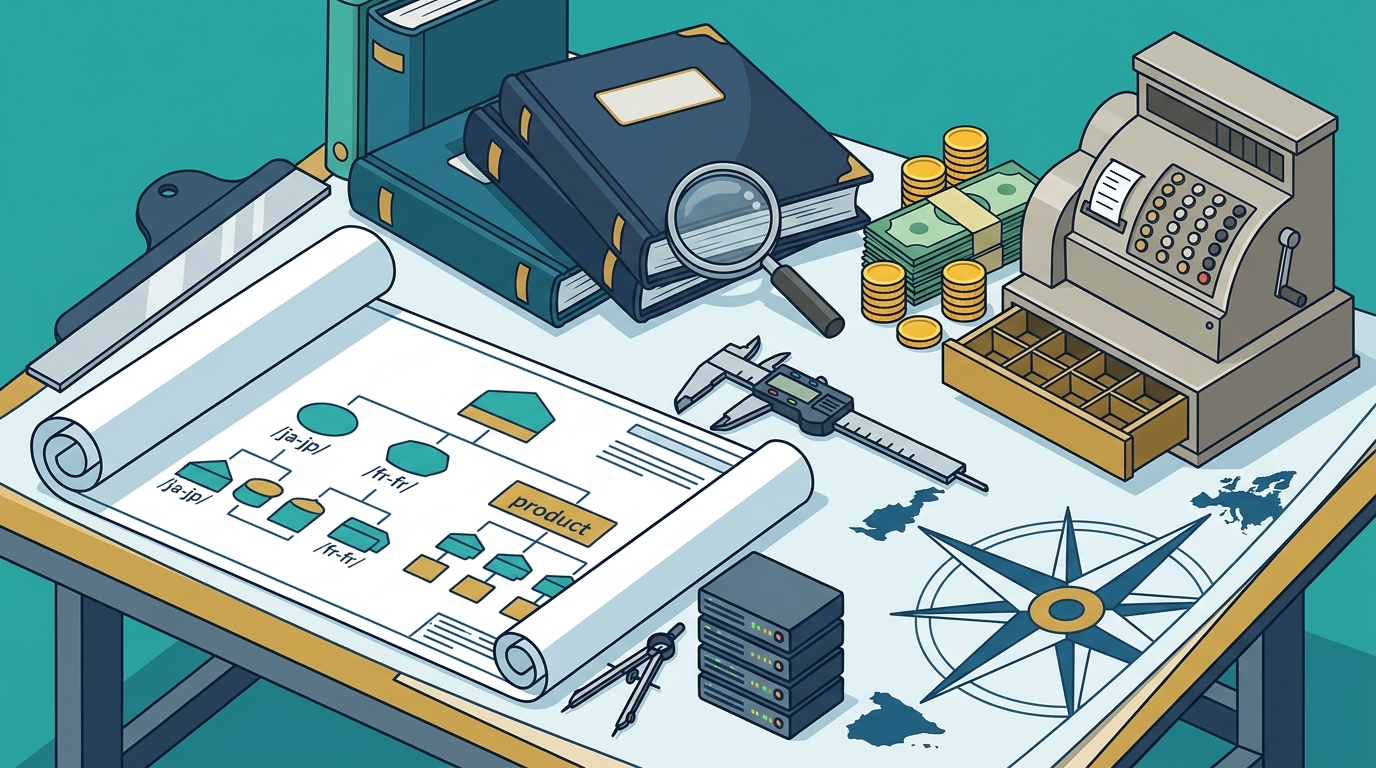
- Content management system (CMS) configuration for multiple languages
- URL structure setup (subdomains vs. subdirectories)
- hreflang tag implementation
- Language switcher UI/UX design
- Testing across browsers and devices
Ongoing Maintenance Costs
When Custom Development Makes Sense
Custom development is worth the investment when you have highly specialized content, complex e-commerce catalogs, or strict brand requirements that off-the-shelf tools cannot meet. It is also the right choice if you need full control over SEO strategy for each market.
Enterprise Localization Expenses
Pricing Structure
Hidden Costs to Consider
Enterprise localization often includes additional fees that are not obvious in the initial quote:
- Project management fees: 10-20% of translation costs
- Rush fees: 25-50% for expedited delivery
- Revision rounds: Additional charges for multiple review cycles
Best Use Cases
Enterprise localization is the right choice for large enterprises with global operations, regulatory compliance requirements, or content that requires native-level quality. It is less suitable for small to medium businesses with limited budgets or frequent content updates.
Subscription Pricing Models
Subscription-based translation tools are the most cost-effective option for most businesses. They use AI-powered translation to make your website multilingual in minutes, with pricing based on word count, number of languages, and page views. These tools are ideal for small to medium businesses that want to go global without a large upfront investment.
How Subscription Pricing Works
Subscription tools like Proxylang charge a monthly fee based on three factors:
- Word count: The total number of words on your site that need translation
- Number of languages: How many target languages you want to support
- Page views: The number of times your translated pages are viewed per month
Typical Pricing Tiers
Advantages of Subscription Models
Subscription tools offer several key advantages over custom development and enterprise localization:
- Fast setup: Go live in minutes, not weeks
- Automatic updates: New content is translated automatically
- SEO-friendly: Per-language URLs and hreflang tags included
- No per-word billing: Pay a flat monthly fee, not per translation
Cost Comparison Table
The table below compares the three main pricing models for a typical small to medium business website with 50,000 words and 5 target languages.
| Cost Factor | Custom Development | Enterprise Localization | Subscription Tool |
|---|---|---|---|
| Setup Time | 4 - 12 weeks | 2 - 6 weeks | 5 - 60 minutes |
| Content Updates | Manual, per language | Per-word billing | Automatic, included |
| SEO Control | Full | Good | Good (with proxy mode) |
| Best For | Large enterprises, complex sites | High-volume, high-quality needs | SMBs, frequent updates |
Key Takeaways
- For most small to medium businesses, subscription tools offer the best value, saving 80-90% compared to custom development.
- SEO is a critical factor: subscription tools with proxy mode provide per-language URLs and hreflang tags, making them indexable by search engines.
- Content update frequency is the biggest hidden cost: custom and enterprise models charge for every update, while subscription tools include them.
- Start with a free plan to test translation quality before committing to a paid tier.
- Calculate your total cost of ownership over 3 years, not just the first year, to make an informed decision.
Frequently Asked Questions
How much does it cost to translate a website into 5 languages?
Are subscription translation tools good for SEO?
Yes, if they offer proxy mode or server-side rendering. Tools like Proxylang provide per-language URLs and hreflang tags, making your translated pages indexable by Google, Bing, and other search engines. Browser-only widgets are not SEO-friendly because search engines cannot see the translated content.
What is the cheapest way to make a website multilingual?
How long does it take to set up a multilingual website?
Subscription tools take 5 to 60 minutes to set up. Enterprise localization takes 2 to 6 weeks. Custom development takes 4 to 12 weeks, depending on the complexity of your site and the number of languages.
Do I need to pay for every word I translate?
It depends on the pricing model. Enterprise localization charges per word. Subscription tools like Proxylang charge a flat monthly fee based on total word count, not per translation. This means you can update your content as often as you want without additional costs.
Can I switch languages later without rebuilding my site?
Yes, with subscription tools. You can add or remove languages at any time by changing your plan. With custom development, adding a new language requires additional development work and costs.
What is the difference between machine translation and human translation?
Machine translation uses AI to translate content quickly and cheaply. Human translation is done by native speakers and is more accurate and natural-sounding. Subscription tools use machine translation with the option to edit any translation manually, giving you the speed of AI with the quality of human review.
How do I calculate my website's word count?
Use a word counter tool like Proxylang's word counter to discover your pages via sitemap and count the exact content that needs translation. This includes body text, metadata, alt tags, and ARIA labels.
Conclusion
The cost of a multilingual website depends on your pricing model, content volume, and technical requirements. Custom development offers full control but comes with high upfront and ongoing costs. Enterprise localization provides professional quality but charges per word. Subscription tools like Proxylang offer the best value for most businesses, with low monthly fees, automatic updates, and SEO-friendly features. Start with a free plan to test translation quality, then scale up as your needs grow. To see how much your site would cost, use Proxylang's word counter to get an accurate estimate in seconds.